

Preparing Supporting Documents For Your Children
In addition to completing a caregiver authorization form, it is important to gather and organize other key documents. These documents will help your designated caregiver make decisions and avoid delays in your child’s care.
School Forms.
Contact your child’s school as soon as possible to ensure your caregiver is authorized to act on your behalf if you are detained or deported.
- Add your chosen caregiver to the school’s emergency contact and pickup list.
- Provide the school with any required written authorization forms. For families in Philadelphia, you may use: Philadelphia School District- Delegation of Parental Responsibility Parent/Legal Guardian.
- Consider adding backup caregivers to the school’s pick-up list in case your first choice is unavailable.
Note: Each school district has its own policies and forms regarding caregiver authorization.
Medical Care Consent Form.
- If a parent is not available, healthcare providers may require parental consent or a court order before providing treatment to a child.
- Some providers may accept a Caregiver Authorization Form, but this is not guaranteed.
- To avoid delays in care, it is strongly recommended that you also complete a Medical Consent Authorization for Medical Treatment of a Child for your child.
- Keep copies of this form with your caregiver and provide one to your child’s doctor, if possible.
- Although there is no guarantee that the medical consent form will be accepted in all situations, it can be beneficial for a caregiver to have a clear, notarized consent form in emergency situations.
Consular Registration.
- If your children are eligible, consider registering them with your home country’s consulate. Consular registration can help:
- Confirm your child’s citizenship.
- Facilitate travel to your home country if needed.
- Support school enrollment abroad.
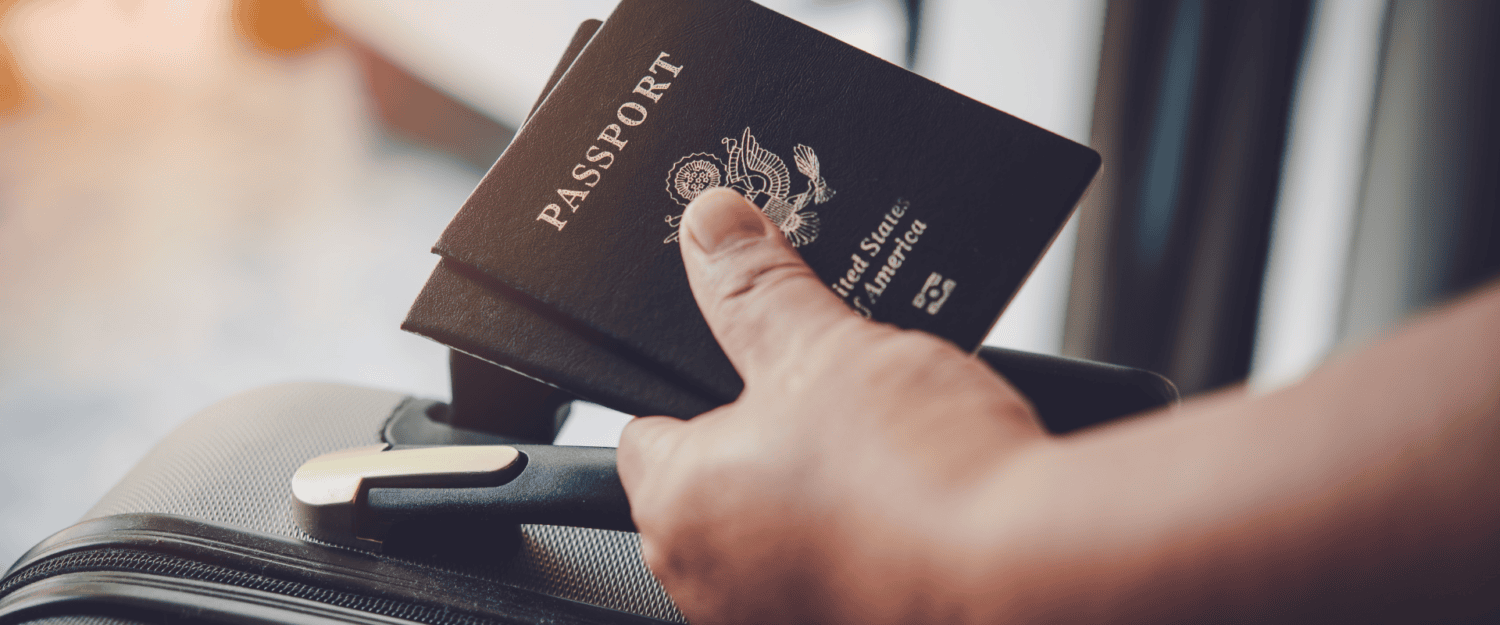
Make sure your children have valid passports, whether they were born in the United States or another country.
Applying for a U.S. Passport (If Eligible).
- If your child is a U.S. citizen, apply for a passport as soon as possible. Depending on your situation, different requirements and forms may apply:
Each situation may require specific forms and documentation. To learn more about the requirements for a U.S. passport visit: Apply for a Child’s U.S. Passport
Passports From Your Home Country
- If your child is not a U.S. citizen:
- Contact your country’s consulate to learn how to apply for or renew a passport.
- Ask about any additional documents needed for travel or identification.
Traveling Abroad With a Minor.
- Before planning any international travel for your children, it is important to understand the requirements of both the United States and the destination country. Travel rules can vary, and being prepared can prevent delays or complications at the airport or border.
- All children must have a valid passport: Every child, including infants, must have their own passport, from their country of citizenship, to travel internationally.
- Traveling with one parent: If a child is traveling with only one parent, it is strongly recommended to carry a notarized written consent from the other parent authorizing the trip.
- Traveling without either parent: If a child is traveling with a relative, caregiver, or another adult, both parents should provide written, notarized permission authorizing the travel.
- Sole custody situations: If one parent has sole legal custody, additional documentation (such as a court order) may be required. In some cases, written permission from the other parent may not be necessary, but you should carry proof of custody.
Consent to Travel Letter
- A Consent to Travel Letter is a critical document that helps demonstrate that the child has permission to travel. This document should:
- Be signed by the parent(s) or legal guardian(s).
- Be notarized.
- Include travel details (destination, dates, and accompanying adult).
- Include contact information for the parent(s).
Having this document can help avoid delays, questioning, or denial of boarding.
Apostille of School Transcripts.
If your family may need to relocate to another country, it is important to prepare your child’s school records in advance. Many countries require official school transcripts to be “apostilled” before they will accept them.
An apostille is an official certification issued by the Pennsylvania Department of State that verifies a document is authentic and can be legally recognized in another country (birth certificates, school records, marriage certificates, etc.).
How to Apostille School Transcripts in Pennsylvania
Follow these steps to prepare your child’s school records for use in another country:
- Obtain Official School Transcripts
- Request original transcripts from your child’s school.
- Make sure the transcripts are signed by the principal or authorized school official.
- If your child attends a school in Philadelphia: Take the transcripts to the School District of Philadelphia to obtain an official district seal.
- Ask the school or the Pennsylvania Department of State if notarization is needed for your specific documents.
Submit Documents for Apostille
For more information, visit the Pennsylvania Department of State website.
Apply In Person:
- Location: Bureau of Notaries, Commissions and Legislation (Harrisburg).
- Hours: Monday–Friday, 8:00 a.m. – 4:30 p.m. (except state holidays).
- Bring original documents and $15 per document (cash, credit, debit cards are accepted).
Apply by Mail:
Make sure to include:
- Original documents (no photocopies).
- Complete the Apostille/Certification Request Form.
- Your name, phone number, email, and return mailing address.
- Payment: $15 per document (not per page) payable with personal check, money order, or cashier’s check – Make payable to: Commonwealth of Pennsylvania.
- A self-addressed, stamped envelope for return delivery.
- Mail the documents to the address below:
Pennsylvania Department of State
Bureau of Notaries, Commissions & Legislation
Apostilles & Certifications
North Office Building, Room 201
401 North Street
Harrisburg, PA 17120-0029